

Tarnish Free Jewelry for Sensitive Skin: 2026 Guide
Posted by Editorial Team on
Table of Contents
- Tarnish Free Jewelry for Sensitive Skin: What Actually Matters
- Quick Comparison: Top Picks for Tarnish-Free, Skin-Friendly Wear
- Hypoallergenic Jewelry for Sensitive Skin: What the Label Really Means
- Best Metals for Sensitive Skin: Aluminum, Surgical Steel, Titanium, and Gold
- Tarnish-Resistant Earrings for Everyday Wear: Hoops, Studs, and Drops
- How to Clean Tarnish-Resistant Jewelry Without Damaging It
- Tarnish-Free Jewelry for Sensitive Skin: Price vs. Long-Term Value
- Conclusion: Choosing Pieces That Last and Feel Good
- Frequently Asked Questions
Last Updated: October 4, 2026
Tarnish Free Jewelry for Sensitive Skin: What Actually Matters
Tarnish free jewelry for sensitive skin is made from metals that resist discoloration and are unlikely to trigger irritation, such as anodized aluminum, surgical-grade stainless steel, titanium, or solid gold. At Jóia by Yanira Ramirez, we handcraft aluminum pieces that won't tarnish and finish our earrings with surgical steel ear wires. The catch: "hypoallergenic" and "tarnish free" are marketing terms, not regulated standards.
The confusion starts with vocabulary. Tarnish is surface discoloration caused by a metal reacting with air, moisture, or skin oils. Sensitive skin reactions are a separate issue, usually driven by nickel or other reactive metals touching the skin. A piece can be tarnish-resistant and still irritate your ears.
FDA guidance on jewelry and metal allergies
Quick Comparison: Top Picks for Tarnish-Free, Skin-Friendly Wear
Our shortlist focuses on materials rather than brands, because material determines both tarnish resistance and skin comfort. Here's how the main options compare for everyday wear.
| Material | Tarnish Resistance | Skin-Friendly | Best For | Typical Price Range |
|---|---|---|---|---|
| Anodized aluminum | Won't tarnish | Excellent | Lightweight everyday pieces | $8-$46 |
| 316L surgical steel | Resists tarnish | Excellent | Ear wires, posts | $10-$40 |
| Titanium | Won't tarnish | Excellent | Highly sensitive ears | $15-$60 |
| 18K solid gold | Won't tarnish | Excellent | Heirloom pieces | $200+ |
| Gold-plated brass | Tarnishes over time | Poor for sensitive skin | Occasional wear | $15-$50 |
Solid, non-reactive metals cost more upfront but skip the replacement cycle. Plated pieces look affordable until the coating wears through and the base metal reacts with your skin.
Hypoallergenic Jewelry for Sensitive Skin: What the Label Really Means
Hypoallergenic jewelry is marketed as unlikely to cause allergic reactions, but the term has no legal definition in the United States, so any seller can print it on a tag. What matters is the actual metal composition and whether nickel, cobalt, or chromium is present. A piece labeled hypoallergenic can still contain trace nickel in its plating.
This is where most shoppers get burned. They buy a "hypoallergenic" pair, wear them for a week, and end up with itchy, red earlobes. The label promised nothing enforceable.
Nickel Allergy and Metal Sensitivity: Signs to Watch For
Nickel allergy is one of the most common contact allergies, showing up as redness, itching, swelling, or a rash where jewelry touches skin. Symptoms often appear hours to days after contact, which makes the culprit harder to identify. If a reaction fades within a few days of removing the piece and returns when you wear it again, that points to metal sensitivity rather than an infection.
A dermatologist can confirm a nickel allergy with patch testing. If you suspect a reaction, stop wearing the piece and let your skin settle before testing anything new.
Best Metals for Sensitive Skin: Aluminum, Surgical Steel, Titanium, and Gold
The best metals for sensitive skin are non-reactive options that resist corrosion: anodized aluminum, 316L surgical-grade stainless steel, titanium, niobium, platinum, and solid gold. Each has trade-offs in weight, price, and appearance.
Nickel Institute information on nickel and skin contact
Here is how the main options actually compare on the properties that matter for sensitive skin:
| Metal | Tarnish Resistance | Allergy Profile | Durability | Relative Cost |
|---|---|---|---|---|
| Anodized aluminum | Won't tarnish | No nickel; excellent for sensitive skin | Lightweight; oxide layer resists corrosion | Low |
| 316L surgical steel | Resists tarnish | Low nickel release; well tolerated by most | Hard; resists scratching | Low to moderate |
| Titanium | Won't tarnish | Essentially inert; no nickel | Very high; strong and light | Moderate |
| Niobium | Won't tarnish | No nickel; excellent for piercings | Moderate; softer than titanium | Moderate |
| Platinum | Won't tarnish | No nickel; excellent | Very high; dense and scratch-resistant | High |
| 18K solid gold | Won't tarnish | No nickel in yellow gold; white gold may contain it | High; wears slowly | High |
Titanium and niobium form a stable oxide layer almost instantly, which is why they resist corrosion and rarely provoke reactions. Surgical steel earns its reputation because 316L releases very little nickel, but "very little" is not "none", a small number of highly nickel-sensitive people still react.
Anodized aluminum deserves more attention than it gets. Anodizing is an electrochemical process that converts the metal surface into a durable, corrosion-resistant oxide finish integrated into the metal itself, not applied like paint or plating, so it cannot chip or peel the way gold plating can.
How Anodized Aluminum and PVD Coatings Hold Up Over Time
Anodized aluminum holds its finish far longer than plated jewelry because the oxide layer is part of the metal, not a coating sitting on top. PVD coating, used on some steel and titanium pieces, is a vacuum-applied film that resists wear better than electroplating but can still scratch under heavy abrasion.
Coating lifespan depends on wear conditions. Sweat, chlorinated water, perfume, hairspray, and friction against skin or clothing all accelerate breakdown.
The practical takeaway: if you want color that survives, choose anodized or PVD. If you want a piece you never have to think about, choose a metal that is the color all the way through.
Tarnish-Resistant Earrings for Everyday Wear: Hoops, Studs, and Drops
Tarnish-resistant earrings for everyday wear should have surgical steel, titanium, or niobium ear wires, a lightweight body, and a finish that won't flake. Hoops and drops concentrate weight on the earlobe, so lighter materials like aluminum reduce the pulling that stretches piercings over time.
Our Long multi-hoop earrings - silver pair aluminum hoops with surgical steel ear wires, so the part touching your piercing is the hypoallergenic part. The Palitos G earrings follow the same build. Both are lightweight enough to forget you're wearing them, which matters if you keep earrings in from morning to night.
Flower bracelet mix light gold and silver →

Buying Guidance by Jewelry Type and Budget
Sensitive skin shows up differently depending on what the jewelry touches and how long it stays there, so the right material and budget shift by category.
Earrings. The ear wire or post is the only part in constant contact with a piercing, so spend your budget there.
Necklaces. A necklace rests against the neck and chest, where sweat and skin oils accumulate.
Rings. Rings see the most friction, against keyboards, door handles, and other fingers, so coatings wear fastest here.
Bracelets and cuffs. Bracelets slide against the wrist and catch on sleeves, abrading coatings at the edges.
A simple rule across all four categories: the closer and more constantly a piece touches skin, the more you should invest in the metal itself rather than the finish.
How to Clean Tarnish-Resistant Jewelry Without Damaging It
Clean tarnish-resistant jewelry with a soft brush, mild non-abrasive liquid soap, and lukewarm tap water. Rinse thoroughly, then dry with a soft cloth. Skip ultrasonic cleaners and abrasive polishes, which can dull anodized finishes and scratch softer metals. This takes under a minute per piece and keeps the surface bright without stripping anything off.
For pieces with glass, ceramic, or leather elements, keep water contact brief and dry immediately. Leather especially should not soak, since repeated moisture exposure stiffens and cracks it over time.
- Wash with mild soap and a soft brush
- Rinse under lukewarm tap water
- Dry fully with a soft cloth
- Store separately to avoid scratches
- Avoid chlorine, perfume, and hairspray contact
Tarnish-Free Jewelry for Sensitive Skin: Price vs. Long-Term Value
Price and value diverge fast in this category. A $15 plated necklace that tarnishes in three months costs more per year of wear than a $46 aluminum piece that never tarnishes. We price our handmade aluminum jewelry between $8 and $46, and because the material won't tarnish, there is no replacement clock running.
Here is how our pieces break down by budget and use:
| Piece | Price | Material | Best For |
|---|---|---|---|
| Cule ring | $8 | Adjustable aluminum | First piece, gifting |
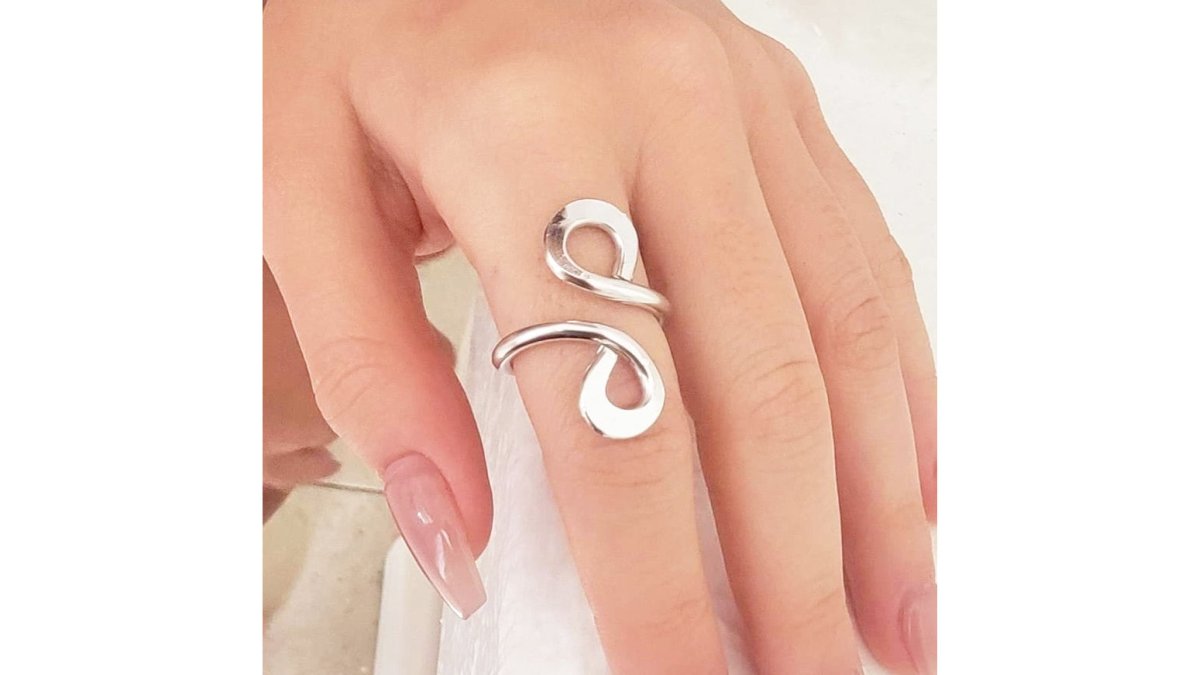
| Aluminum DT Spiral Ring | $16 | Aluminum | Everyday stacking |
| Spiral arm cuff - bright gold | $18 | Anodized aluminum | Statement wear |
| Flower ring - dark turquoise | $26 | Aluminum with glass beads | Color accent |
| Simple Necklace | $26 | Aluminum | Daily layering |
| Double X-Long Necklace | $46 | Aluminum | Long-line styling |
Because each piece is handmade, expect slight variations from the listing photo, the nature of artisan work, not a defect.


Conclusion: Choosing Pieces That Last and Feel Good
The hard part isn't finding pretty jewelry. It's finding pieces that stay pretty and comfortable on skin that reacts easily. Start with the metal touching your skin, favor anodized aluminum, surgical steel, titanium, or solid gold, and treat "hypoallergenic" as a claim to verify rather than trust.
At Jóia by Yanira Ramirez, we build our pieces from lightweight, tarnish-resistant aluminum, finish earrings with surgical steel ear wires, and keep everything easy to clean with mild soap and water. If sensitive skin has made you cautious about jewelry, our handmade collection is a good place to start. Create an account and find a piece that feels as good as it looks.
Frequently Asked Questions
What brand of jewelry will not tarnish?
Look for brands that use non-reactive metals like anodized aluminum, 316L surgical-grade stainless steel, titanium, or solid gold rather than plated brass. Anodized aluminum, for example, has an oxide finish integrated into the metal surface, so it cannot chip or peel the way plating can. Jóia by Yanira Ramirez handcrafts bracelets, rings, necklaces, and earrings from aluminum that the brand states will not tarnish, with surgical steel ear wires on earring styles. Always check the material list rather than relying on a 'tarnish-free' label alone.
What kind of jewelry is best for sensitive skin?
The best hypoallergenic jewelry for sensitive skin uses metals that resist reacting with sweat and skin oils. Surgical-grade stainless steel, titanium, niobium, and anodized aluminum are common choices because they are non-reactive and nickel-free. For earrings, surgical steel ear wires reduce irritation risk compared to mystery-metal posts. If you have a confirmed nickel allergy, avoid plated brass and low-quality alloys entirely. Aluminum pieces with surgical steel ear wires, like the Long Multi-Hoop Earrings, are designed for this exact concern.
Is stainless steel jewelry safe for sensitive skin?
Yes, surgical-grade stainless steel (often labeled 316L) is widely considered safe for sensitive skin because it releases very little nickel and resists corrosion. It is the same grade used in medical implants, which is why it shows up in ear wires and posts. Lower grades of stainless steel may still contain enough nickel to trigger a reaction in highly sensitive people. If you react to surgical steel, titanium is the next step up. For most people with mild sensitivity, surgical steel ear wires are a reliable, affordable option.
Does aluminum jewelry tarnish or irritate skin?
Aluminum does not tarnish the way silver or brass does, and anodized aluminum adds a corrosion-resistant oxide layer that is integrated into the metal rather than applied on top. That means it will not chip or peel like plating. Aluminum is also lightweight and generally well tolerated by sensitive skin. The main thing to watch is the ear wire or clasp, which is why many handmade aluminum earrings use surgical steel ear wires instead of aluminum posts. Cleaning with mild soap and water keeps the finish bright.
How do you care for tarnish-resistant jewelry?
Tarnish-resistant jewelry needs very little maintenance. Wash it with a soft brush using a non-abrasive, mild household liquid soap, rinse thoroughly with tap water, and dry with a soft cloth or paper towel. Avoid abrasive cleaners, jewelry polishing cloths designed for silver, and harsh chemicals. Store pieces separately to prevent scratches, and put jewelry on after applying lotion or perfume so the residue does not build up. For aluminum and anodized pieces, this simple routine keeps the finish looking new for years.
Share this post
- Tags: best metals for sensitive skin, how to clean tarnish-resistant jewelry, hypoallergenic jewelry for sensitive skin, tarnish free jewelry, tarnish free jewelry for sensitive skin, tarnish-resistant earrings for everyday wear